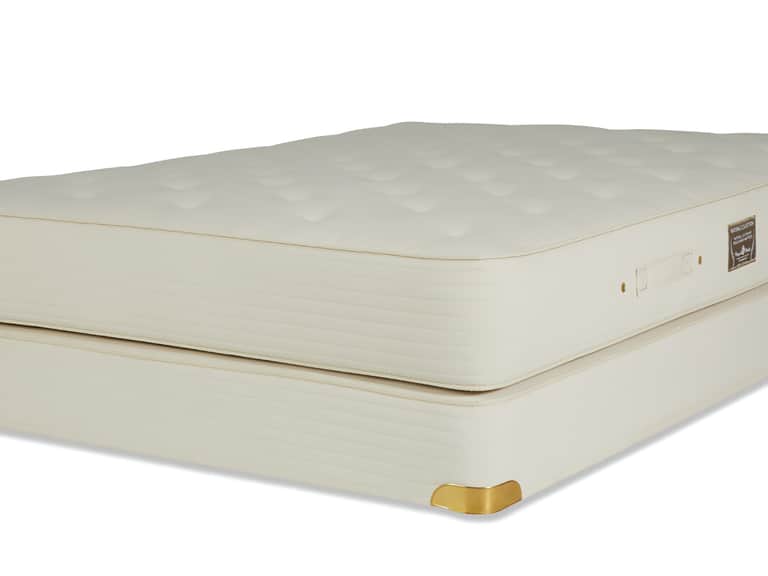
Innerspring mattresses are a foundational option in sleep systems, valued for their responsive support and reliable durability. This category highlights coil configurations, gauge variety, and comfort layer interactions that influence alignment, pressure relief, and overall sleep quality. Understanding core components helps readers evaluate how mass- and pocket-coil designs address different body types and sleeping positions.
Traditional innerspring construction uses a network of steel coils to provide lift and stabilization, with configurations such as tempered steel, even-weight distribution, and varying counts that affect bounce and contour. Mattresses may incorporate reinforced edge support and zoned coil patterns to target lumbar and shoulder regions for improved spinal alignment during rest.
Key features to consider include coil type (bonnel, continuous, or pocketed), coil count, and the thickness of comfort layers like foams or fabrics. A well-chosen innerspring mattress balances support with conformity, reducing motion transfer for couples while maintaining enough surface contour to satisfy sleepers who prefer a more traditional, spring-driven feel.
In practical terms, innerspring mattresses support a range of sleep styles, from back and stomach sleepers to those who alternate positions. Variations in firmness and resilience influence how the mattress responds to movement, helping to minimize disturbances. Some models incorporate optional pillow tops or additional padding to fine-tune cushioning without compromising core support.
For readers exploring bedding options, the category aligns with topics such as pillows, travel pillows, latex, and toppers, illustrating how complementary components influence overall comfort. By examining product names and features within inner-spring lines, you can assess suitability for spinal health, temperature regulation, and long-term durability in a sleep environment that prioritizes structural support and material quality.
 Innerspring Mattresses